Explaining Zarr to a NetCDF person
I created an explainer page for the Zarr dataformat assuming someone knows already NetCDF. I believe that using AI to create a one-off HTML page helps to narrow down the comprehension gap.
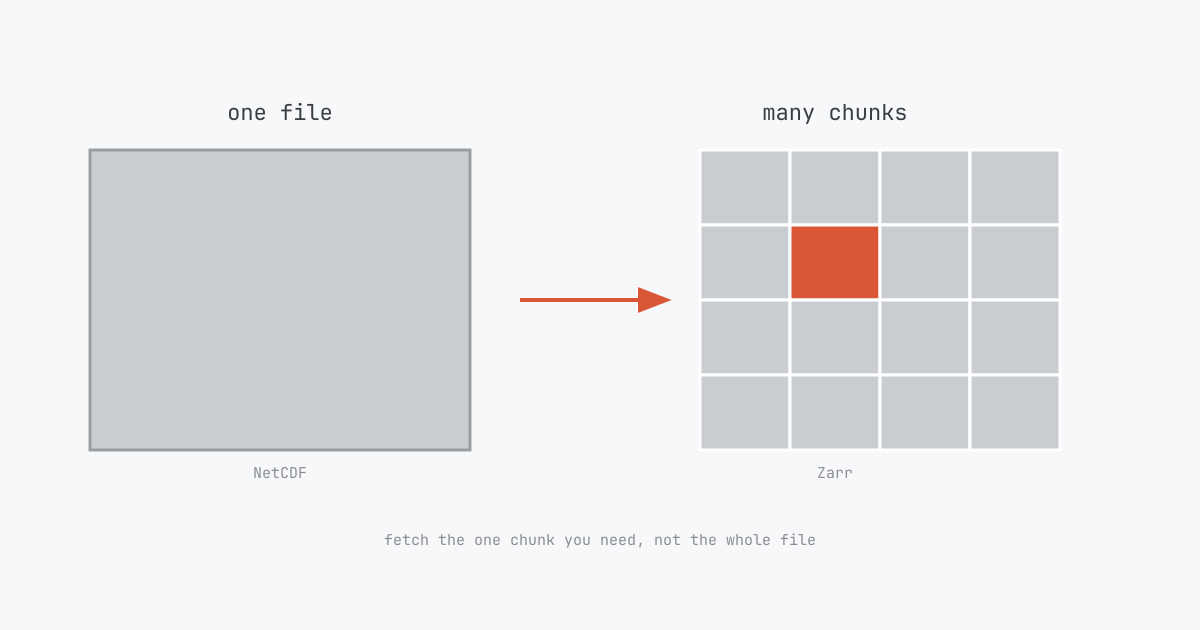

I created an explainer page for the Zarr dataformat assuming someone knows already NetCDF. I believe that using AI to create a one-off HTML page helps to narrow down the comprehension gap.
Slides from my lightning talk at the Cloud-Native Geospatial Forum event in Zürich: how cloud-native geo let ResiLens ship from "skateboard" to "bike", referencing the infamous meme about agile delivery.

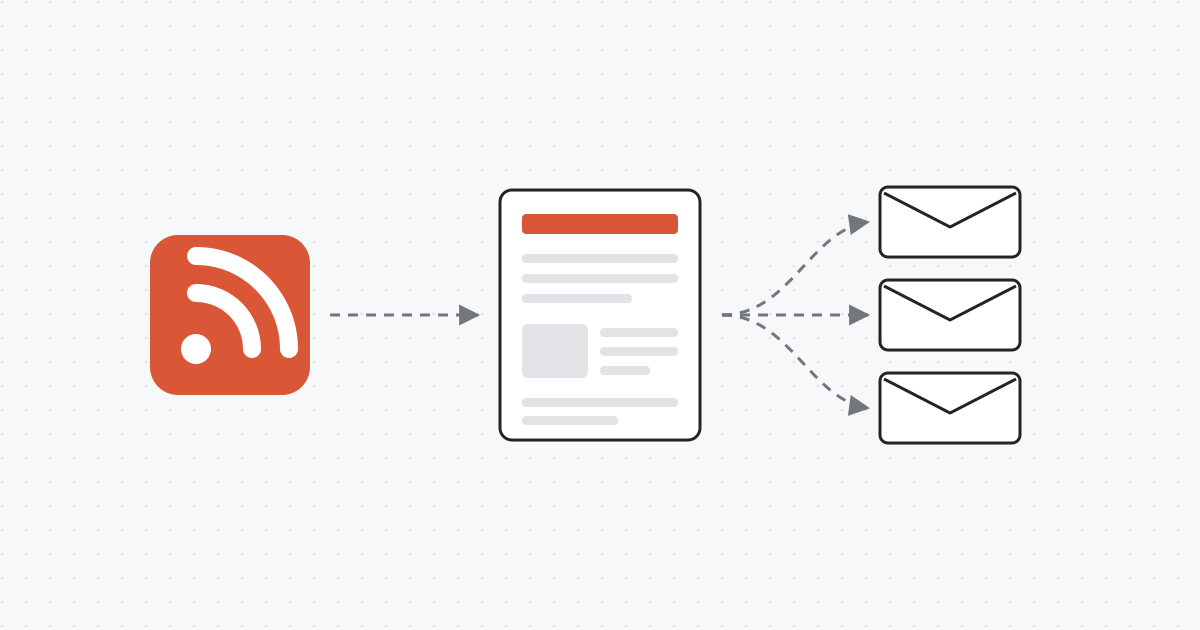
I publish once on my own blog and use listmonk-rss to turn its RSS feed into an email newsletter, so readers can follow along however they prefer.
Since January, I've made Topoprint's Swiss buildings watertight, added terrain and map features beyond Switzerland, and launched Print Your Track, which turns a GPX route into a 3D-printable model on the web or iPhone.
Creating something new happens in two modes — grind and joy. Here is how I decide when to let AI vibe the grind, when to craft the joy myself, and when to commission another human instead.
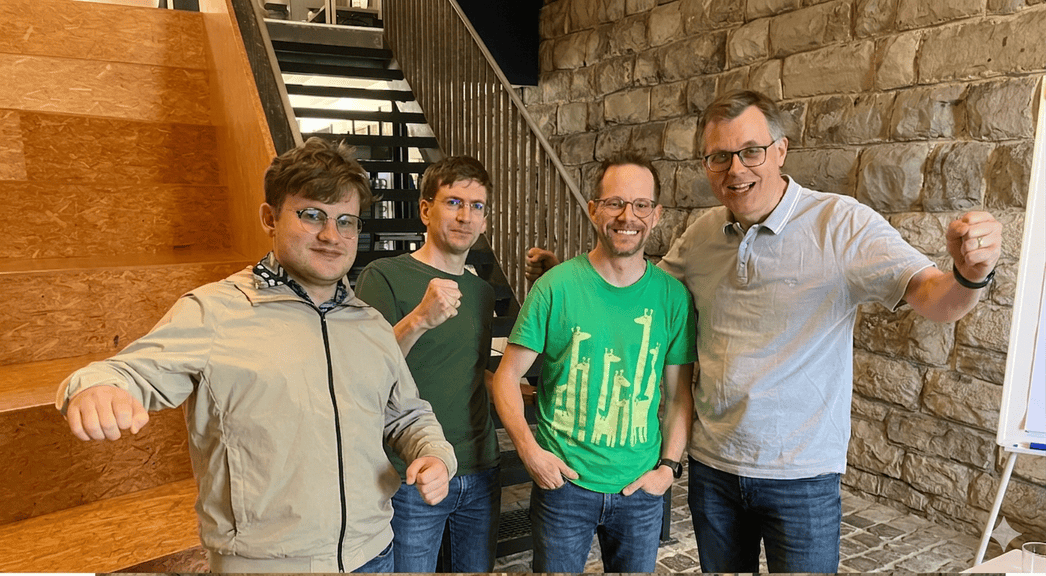
At a Green Tech Hackathon in Zurich, three teammates and I built Simplon Off in a day - a small experiment in running right-sized, open AI models locally, on the laptop you already own.
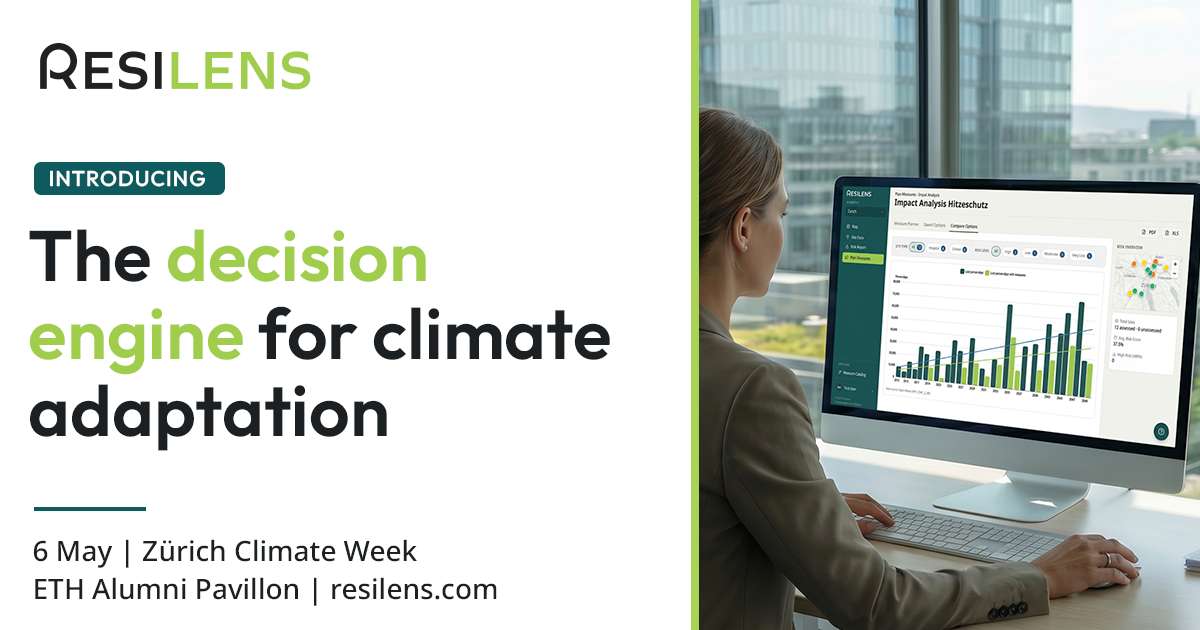
ResiLens — the company I co-founded — launched its website today, revealing what we have been building: a decision engine for climate adaptation, built around an ROI metric we call AdaptationReturn.
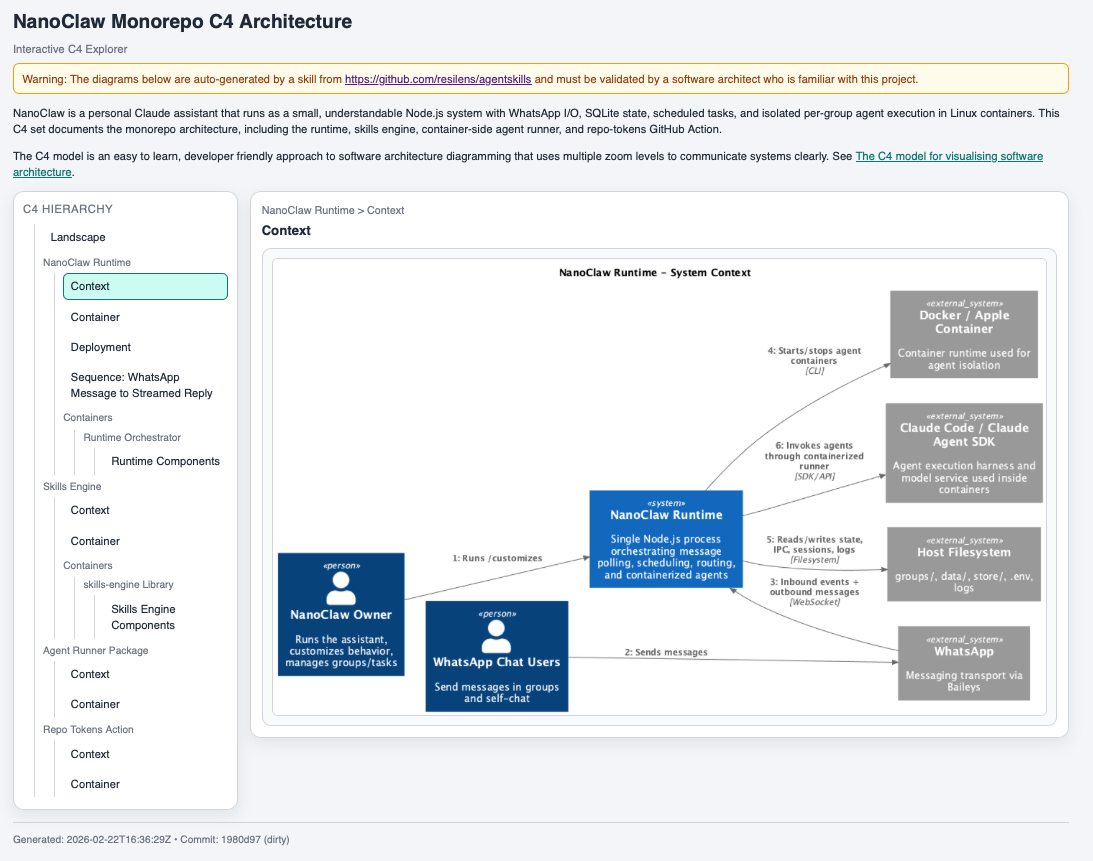
We’ll be dealing with a lot more code in the near future. Using AI to help people understand existing systems seems more useful than generating even more of it. I built an agent skill that takes any folder of code and generates C4 diagrams and a local interactive HTML explorer for architecture review
I am diving back into the world of sustainability tackling the pressing challenges of climate change. Together with a few long-time friends I co-founded a small company called ResiLens

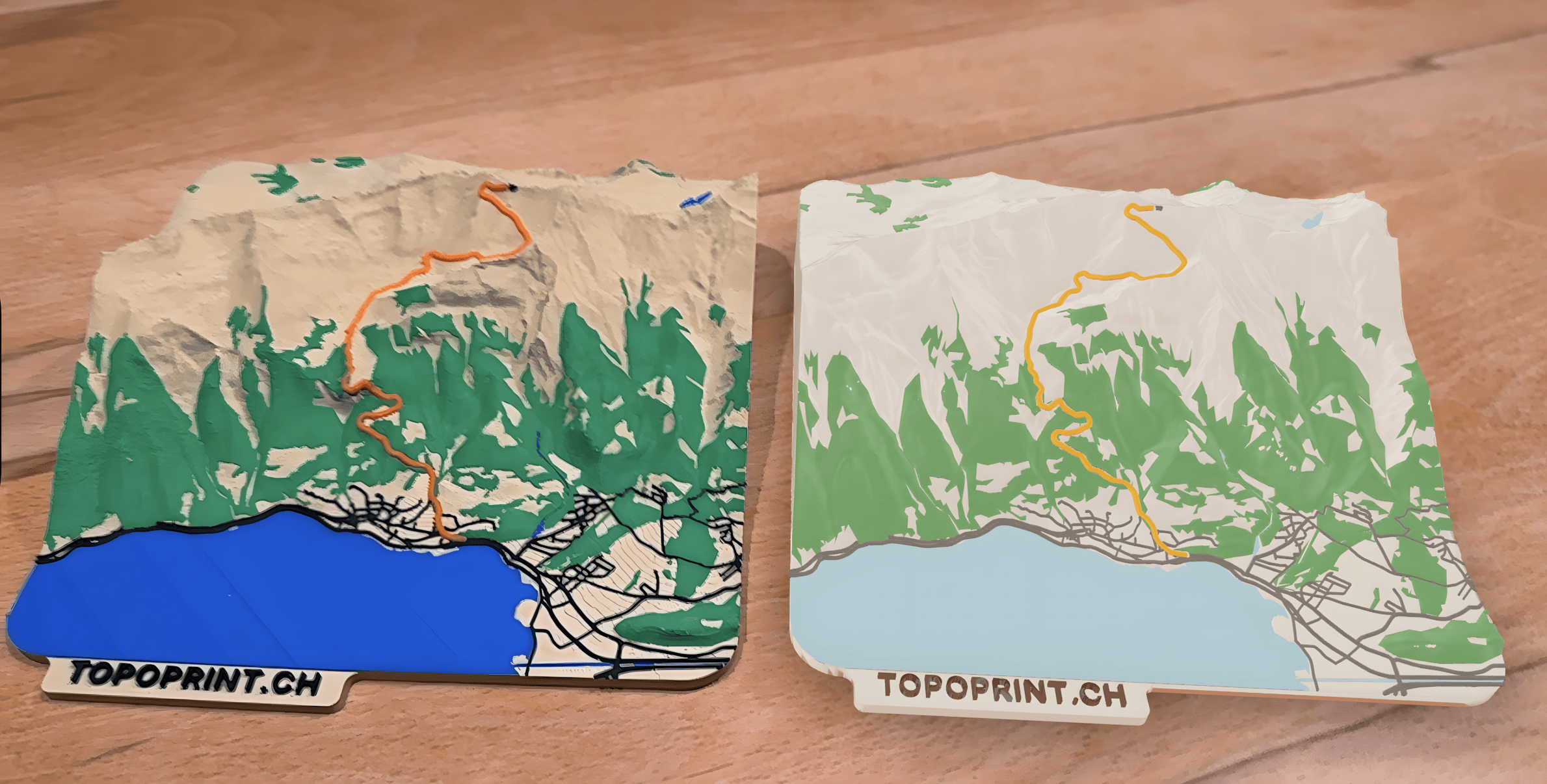
A year after launch, Topoprint has grown through community use and feedback across Switzerland. The post highlights three practical improvements aimed at making printed terrain models clearer and sturdier: route overlays, a stabilizing border ring, and multi-tile layouts. It introduces the new Designer Pro workflow for large prints, including examples and how to request print files.
